
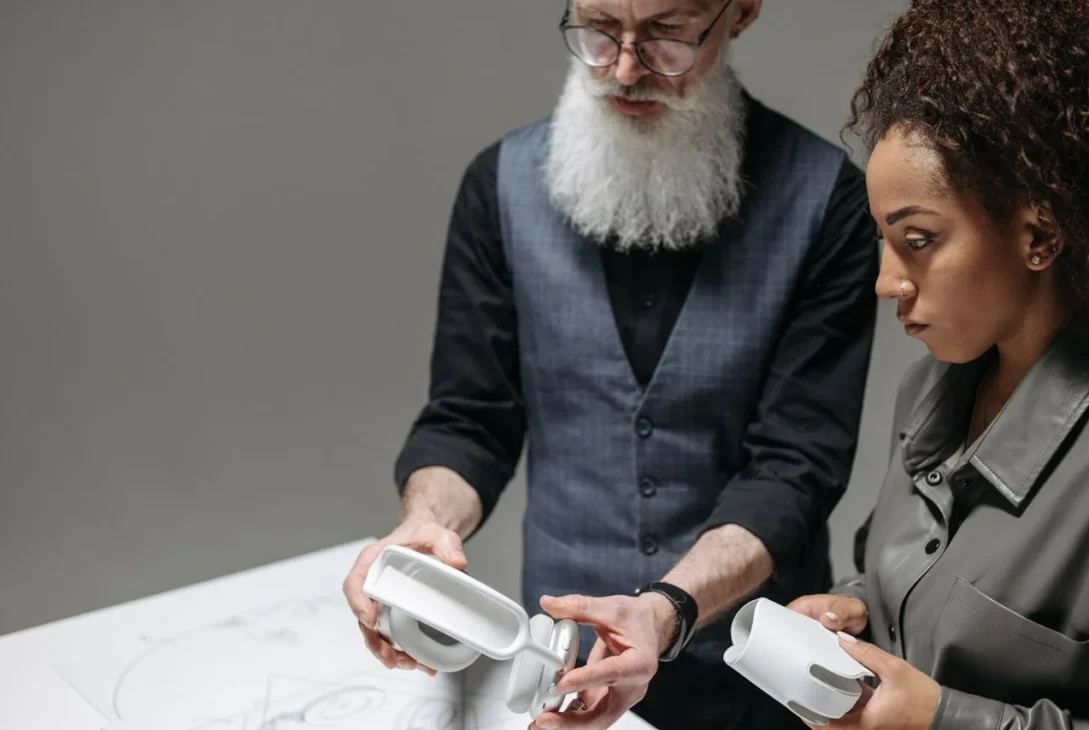
Technology evolves at breakneck speed, but innovation doesn’t come from tools alone—it comes from people who know how to think, build, and adapt. In this landscape, senior engineers play a critical role far beyond writing code. Through mentorship, they shape the next generation of innovators, leaders, and problem-solvers who will define the future of tech.
Mentorship in tech isn’t a nice-to-have. It’s how excellence is transferred.
Why Technical Skills Alone Are No Longer Enough
Junior engineers today have unprecedented access to documentation, tutorials, and AI-assisted coding tools. What they often lack is judgment—the ability to make sound decisions in complex, ambiguous environments.
Senior engineers help bridge this gap by teaching:
- How to evaluate trade-offs, not just implement solutions
- When simplicity beats sophistication
- How to think in systems, not just features
This strategic thinking is the foundation of real innovation.
Teaching How to Think, Not Just What to Code
Great mentors don’t create clones of themselves. They develop independent thinkers.
- Asking “why” before “how”
- Encouraging exploration of multiple solutions
- Reviewing code for clarity, scalability, and intent—not just correctness
This approach builds engineers who can solve new problems, not just repeat known patterns.
Passing Down Engineering Wisdom and Craft
Every experienced engineer carries hard-earned lessons—what breaks at scale, what fails in production, and what never ages well.
Mentorship transfers:
- Architectural intuition
- Best practices learned through failure
- An understanding of technical debt and long-term cost
This institutional memory prevents teams from repeating costly mistakes.
Shaping Professional Identity and Engineering Values
Senior engineers influence not just skills, but standards.
Through mentorship, they model:
- Code quality and craftsmanship
- Ownership and accountability
- Ethical responsibility in building technology
These values shape how tomorrow’s innovators approach both technology and impact.
Helping Engineers Navigate the AI-Driven Shift
With AI automating parts of coding and testing, the role of engineers is changing.
Mentors help junior engineers:
- Use AI as a tool, not a crutch
- Focus on problem framing and system design
- Develop skills that compound beyond specific tools
This guidance future-proofs careers in an AI-augmented world.
Building Confidence Through Guided Challenge
Many junior engineers struggle with impostor syndrome, especially in high-performing teams.
Senior mentors build confidence by:
- Providing constructive, specific feedback
- Encouraging ownership of meaningful problems
- Creating safe spaces to ask questions and make mistakes
Confidence grows when learning is supported—not judged.
Accelerating Innovation Through Psychological Safety
Innovation thrives where people feel safe to experiment.
Mentoring engineers:
- Normalize failure as part of learning
- Encourage curiosity and questioning
- Reduce fear of speaking up
This psychological safety unlocks creativity and bold thinking.
From Individual Contributors to Technical Leaders
Not every engineer wants to manage—but many will lead.
Senior mentors help engineers:
- Communicate technical ideas clearly
- Influence decisions without authority
- Balance depth with collaboration
This prepares them for roles as tech leads, architects, and founders.
Mentorship as a Force Multiplier for Teams
One mentored engineer improves a team. Many mentored engineers transform organizations.
The ripple effects include:
- Stronger codebases
- Faster onboarding
- Healthier engineering cultures
- Sustainable innovation
Mentorship scales quality—not just output.
Creating Innovators, Not Just Employees
The ultimate goal of tech mentorship isn’t productivity—it’s capability.
Senior engineers who mentor well help create:
- Problem-solvers who adapt to change
- Builders who think ethically and strategically
- Innovators who push technology forward responsibly
This is how the future of tech is shaped—one mentor, one engineer, one conversation at a time.
Final Thoughts
Technology will continue to evolve—but the need for human guidance will only grow. Senior engineers who mentor are not just sharing knowledge; they are shaping mindsets, values, and the next wave of innovation.
In tech, mentorship is how experience becomes legacy—and how today’s experts create tomorrow’s innovators.







 Mentor Times — Inspiring Growth, Leadership & Modern Mentorship.