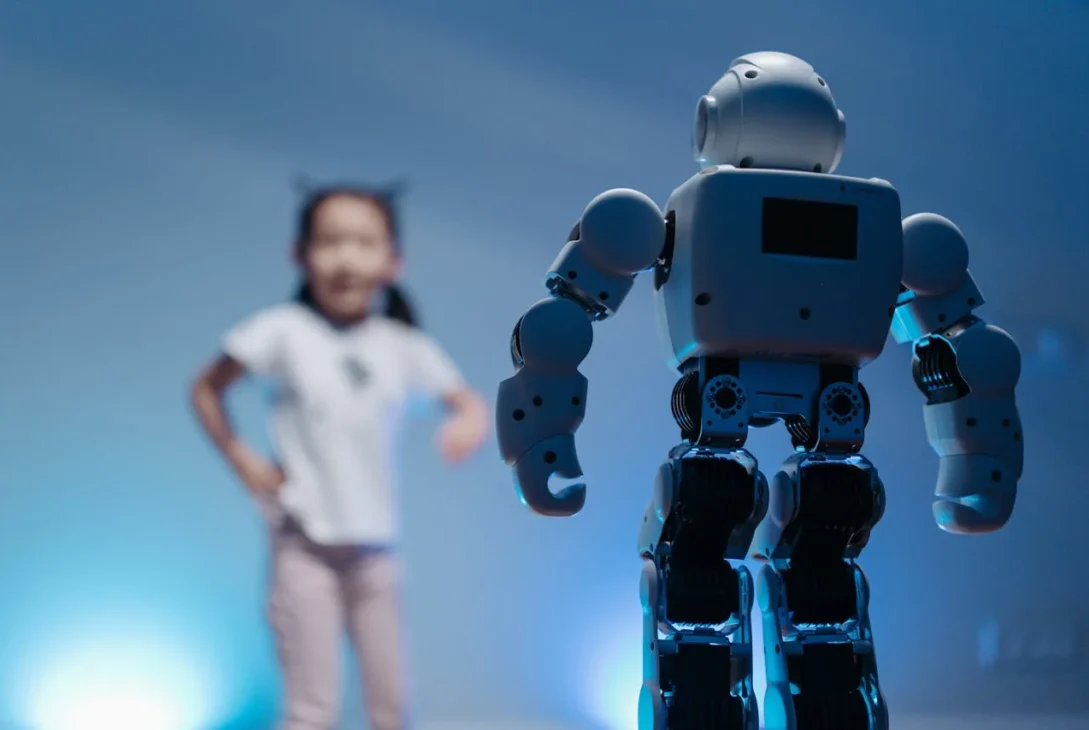
Artificial intelligence is redefining the future of work—but access to opportunity is not evenly distributed. While AI creates new careers, many young people lack the guidance, confidence, and practical exposure needed to enter this rapidly evolving field. Courses and content alone aren’t enough. Mentorship is the missing bridge between potential and participation.
To truly prepare youth for AI careers, we must pair digital skills education with human guidance.
The Digital Skills Gap Is More Than Technical
The AI skills gap isn’t just about learning Python, data science, or machine learning tools. It’s also about:
- Understanding how AI is applied in real industries
- Developing problem-solving and critical thinking
- Building confidence to navigate complex, unfamiliar fields
Without mentorship, many young learners struggle to connect theory to real-world opportunity.
Why Mentorship Matters in AI Education
AI is fast-moving, abstract, and intimidating—especially for beginners. Mentors humanize the learning process.
Mentors help youth:
- Understand why skills matter, not just how to learn them
- See real career pathways in AI and tech
- Avoid overwhelm by focusing on foundational, transferable skills
This guidance transforms curiosity into commitment.
Turning Curiosity into Career Direction
Many young people are interested in AI but unsure where they fit—engineering, data, design, ethics, product, or research.
Mentorship helps by:
- Mapping interests to realistic AI career paths
- Clarifying required skills for different roles
- Helping youth make informed learning choices early
Direction reduces dropout and increases long-term engagement.
Building Confidence and Belonging in Tech
A major barrier for youth—especially from underrepresented backgrounds—is the feeling that AI “isn’t for people like me.”
Mentors counter this by:
- Sharing relatable journeys and setbacks
- Providing encouragement during early struggles
- Modeling that success in AI is achievable
Representation and reassurance build confidence where content cannot.
Teaching How to Learn, Not Just What to Learn
AI tools will change—but learning ability must last.
Mentors teach youth:
- How to think critically about technology
- How to learn continuously as tools evolve
- How to adapt skills across industries and roles
This meta-skill future-proofs young careers.
Ethical Awareness From the Start
AI careers come with responsibility—bias, privacy, and social impact matter.
Mentors introduce:
- Ethical thinking alongside technical learning
- Real-world consequences of AI decisions
- A values-based approach to innovation
Early exposure builds responsible innovators—not just skilled technicians.
Bridging Education and Industry Reality
There’s often a gap between academic learning and workplace expectations.
Mentors help youth:
- Understand how AI is used in real companies
- Learn teamwork, communication, and problem framing
- Prepare for interviews, projects, and internships
This practical insight dramatically improves employability.
Creating Access Where Opportunity Is Uneven
Not every young person has access to elite schools or tech networks.
Mentorship programs:
- Democratize access to guidance and networks
- Surface hidden talent
- Reduce inequality in AI career entry
One mentor can unlock opportunities that algorithms alone cannot.
The Ripple Effect of Youth Mentorship
Youth who are mentored often become mentors themselves—creating sustainable impact.
This leads to:
- Stronger talent pipelines
- More inclusive tech ecosystems
- Communities empowered through knowledge sharing
Mentorship scales opportunity beyond individuals.
What Effective AI Mentorship Programs Look Like
Successful initiatives combine:
- Hands-on learning with real projects
- Consistent mentor relationships
- Career guidance alongside technical training
- Exposure to diverse AI roles and role models
Structure plus human connection makes the difference.
Final Thoughts
Preparing youth for AI careers isn’t just about teaching code—it’s about building confidence, clarity, and capability. Mentorship bridges the digital skills gap by turning access into action and learning into opportunity.
In the AI era, the most powerful investment we can make is pairing technology education with human guidance—so the next generation doesn’t just use AI, but shapes its future responsibly.







 Mentor Times — Inspiring Growth, Leadership & Modern Mentorship.