
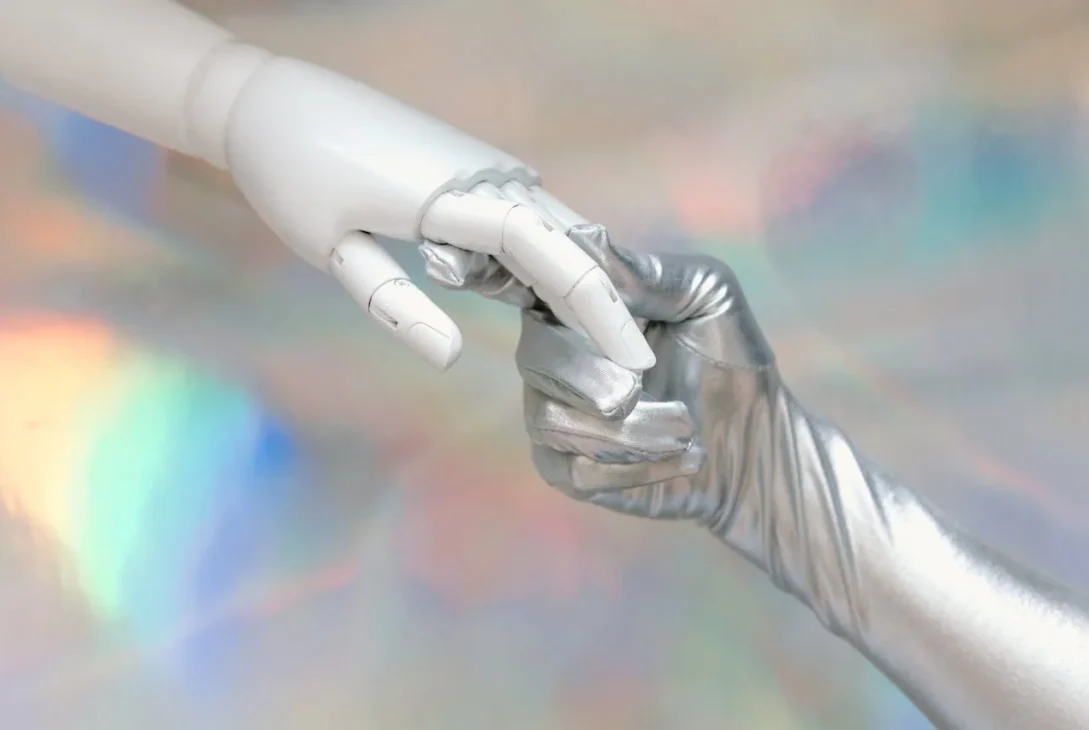
Artificial intelligence is reshaping how we learn, work, and grow. From personalized learning platforms to AI-powered coaching tools, technology now offers guidance that once required a human expert. This raises a compelling question: Can AI replace human mentorship—or is the future something more nuanced?
The answer isn’t binary. The future of mentorship lies at the intersection of technology and human wisdom.
What AI Mentors Already Do Well
AI excels at speed, scale, and personalization. As mentoring tools, AI systems already provide value in several areas:
1. On-Demand Guidance
AI mentors are available 24/7. They can:
- Answer questions instantly
- Provide structured frameworks and prompts
- Offer reminders, goal tracking, and habit support
This accessibility removes barriers to entry for learning and self-improvement.
2. Data-Driven Insights and Pattern Recognition
AI can analyze large datasets to identify patterns humans might miss.
In mentorship contexts, this enables:
- Personalized learning paths
- Feedback based on behavior and performance data
- Predictive insights about skill gaps or growth areas
For skill-building and execution, AI is highly effective.
3. Bias Reduction in Certain Scenarios
When designed well, AI can reduce some human biases related to status, background, or personality.
This can help:
- Standardize feedback
- Support objective goal tracking
- Provide consistent guidance
For early-stage learning, this neutrality can be empowering.
Where AI Mentors Fall Short
Despite rapid advances, AI still lacks key elements that define true mentorship.
1. Lived Experience and Wisdom
Mentorship isn’t just about information—it’s about judgment shaped by experience.
Human mentors bring:
- Context from real failures and successes
- Nuanced understanding of ambiguity
- Insight shaped by emotion, consequence, and responsibility
AI can simulate patterns—but it doesn’t live them.
2. Emotional Intelligence and Human Presence
AI can recognize emotions, but it doesn’t feel them.
Human mentors offer:
- Empathy grounded in shared experience
- Intuition in emotionally complex situations
- Presence during moments of doubt, fear, or transition
These moments often define growth—and they require human connection.
3. Values, Ethics, and Moral Judgment
Many mentorship decisions are not technical—they’re ethical.
Human mentors help navigate:
- Trade-offs between success and integrity
- Long-term consequences beyond metrics
- Value-based decisions under pressure
AI can suggest options, but it cannot take moral responsibility.
What Human Mentors Do That AI Cannot
Human mentorship operates in dimensions technology cannot fully replicate:
- Trust built over time
- Honest confrontation delivered with care
- Intuitive sensing of what’s not being said
- Belief in someone before they believe in themselves
These elements are relational, not computational.
The Rise of Hybrid Mentorship
Rather than replacement, the most likely future is augmentation.
In hybrid models:
- AI handles structure, tracking, and information
- Human mentors focus on meaning, judgment, and growth
- Mentees benefit from both consistency and humanity
This combination increases access without sacrificing depth.
How AI Enhances Human Mentorship
When paired thoughtfully, AI can make human mentorship more effective by:
- Preparing mentees before sessions
- Summarizing progress and patterns
- Highlighting blind spots for deeper discussion
AI becomes a support system—not the source of wisdom.
Who Benefits Most From AI Mentors
AI mentorship is especially effective for:
- Skill acquisition and learning fundamentals
- Goal tracking and accountability
- Early-stage guidance and self-reflection
It’s a powerful starting point—but rarely the finish line.
The Future: Guidance at Scale, Wisdom in Relationship
As AI mentors grow more capable, mentorship will become more accessible than ever. But access alone doesn’t create transformation.
True mentorship requires:
- Context
- Care
- Courage to challenge
- Commitment to growth
These remain deeply human qualities.
Final Thoughts
AI mentors won’t replace human mentors—but they will redefine mentorship. Technology will handle scale and structure. Humans will provide meaning and wisdom.
The future belongs not to AI instead of humans—but to AI alongside humans, working together to guide growth more effectively than either could alone.






 Mentor Times — Inspiring Growth, Leadership & Modern Mentorship.